
 Rivers are the closest thing we have to a living memory of landscape, carrying the shape of every stone and season they have ever touched.
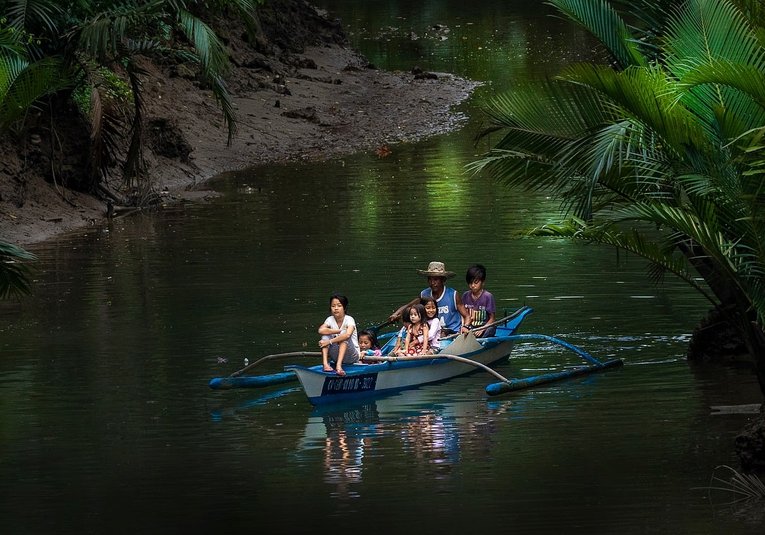
A River Remembers: Notes on Moving Water
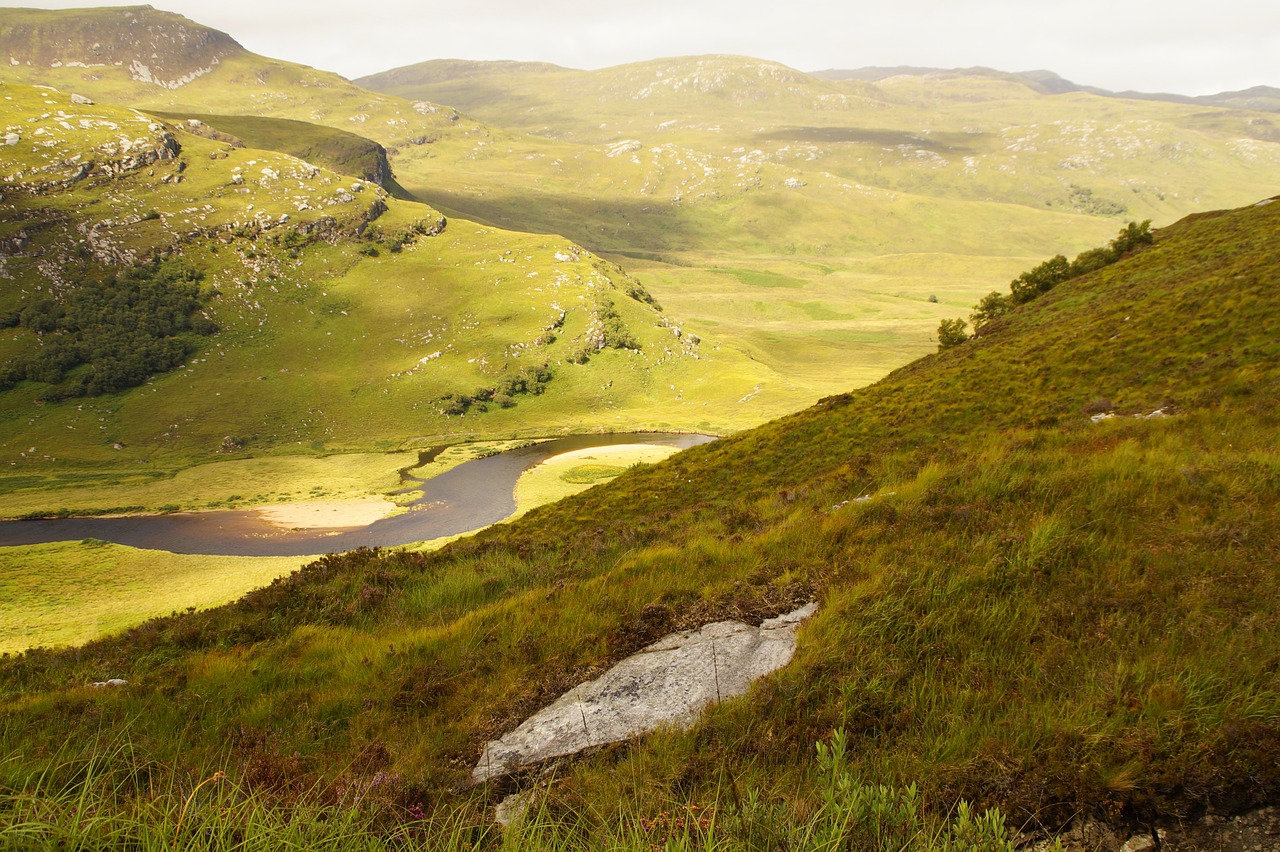
A river is never the same river twice, and yet it remembers everything. This paradox is not a riddle to be solved but a feeling to be sat with, preferably on a cold rock at the bend where the current slows and the water goes briefly, beautifully still. I have spent years walking the same stretch of a small river near my home, and I have come to believe that moving water is one of the few honest things left in the world. It does not pretend. It does not flatter. It simply carries what it is given and keeps going.
There is a particular bend I visit in every season. In spring it is loud and brown, swollen with snowmelt, cutting new channels through the bank. In summer it is clear enough to count the stones. In autumn it carries leaves like small boats, and in winter it runs black under a skin of ice, still moving, always moving, even when everything above it has stopped. If you stand there long enough, you begin to understand that the river is not a thing but a process, and that you are one too.
The Shape of What Has Passed
Geologists will tell you that a river is a record of its own history, that every meander and oxbow is a decision made slowly over thousands of years. But you do not need a degree to see this. Walk any riverbank and you will find the old channels, dry now and full of grass, curving away from the living water like ghosts of former selves. The river changed its mind, and the land kept the note.
I think this is why rivers are so often used as figures for memory in poetry and scripture. They are not static archives. They are active, restless remembering, always revising, always carrying the past forward into the present tense. When I stand at my bend and watch the water, I am not looking at a photograph. I am watching something that is happening, right now, and that will never happen in exactly this way again.
There is comfort in that, if you let it in. The river does not cling. It does not hoard. It receives and releases, receives and releases, and somehow in the process it carves canyons. There is a lesson there for anyone who has ever tried to hold on to something that was already leaving.
Sitting With What Moves
My habit now, when I am troubled, is to go and sit by the water without trying to solve anything. I do not bring a journal. I do not bring a question. I just watch the current and let it do what it has always done — move, adjust, continue. Usually, after twenty minutes or so, whatever I was carrying has loosened its grip a little. Not resolved. Just loosened. The river has not answered my problem, but it has reminded me that problems, like water, are things that pass.
If you have a river nearby, I hope you will visit it this week. Not to take a photograph, not to check it off a list, but to sit with it and let it remember in front of you. It has been doing this for a very long time. It knows how.