
 Rain on a river is not one sound but many, layered like voices in a choir that has been singing for ten thousand years.
Walking the Levee at Dusk: On Edges and Belonging
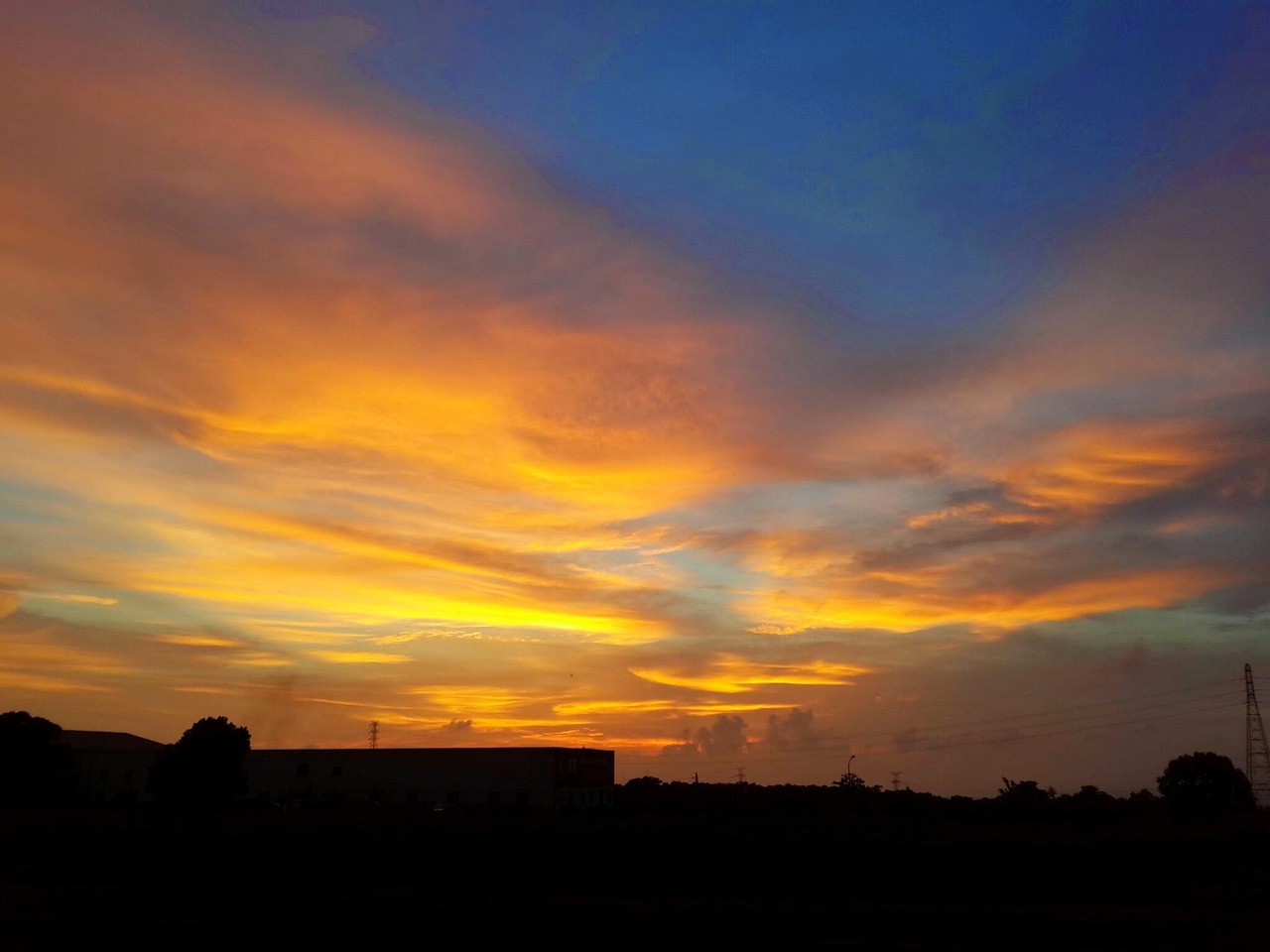
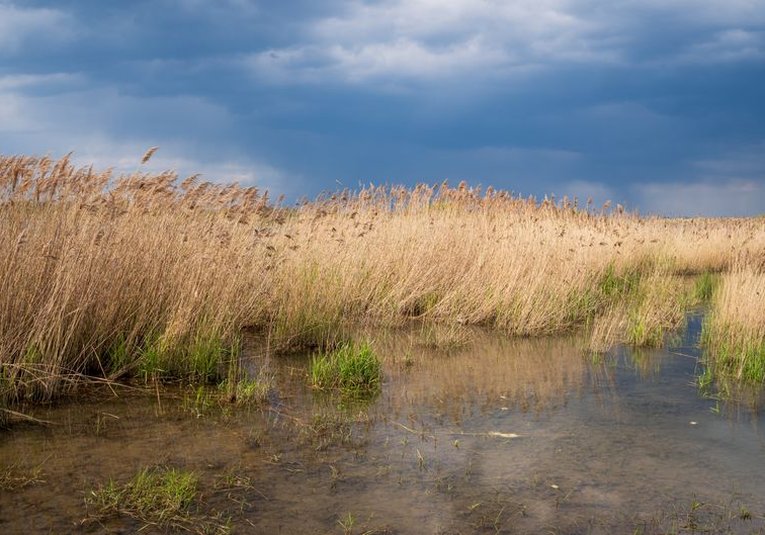
The levee near my house is a long, low ridge of grass and gravel that separates a slow river from a wide, flat field. It is not a beautiful place in any conventional sense. It is functional. It was built to keep water where water is supposed to be. But at dusk, when the light goes soft and the river starts reflecting the sky, the levee becomes something else — a thin, raised path between two worlds, and walking it feels less like exercise than like a small pilgrimage.
I have walked this levee in every kind of weather, and I have come to think of it as a place that teaches you about edges. It is not the river, and it is not the field. It is the line between them, and on that line, you are neither fully in one world nor the other. You are on the threshold. And thresholds, I have found, are where the most interesting things happen.
Neither Here Nor There
From the levee at dusk, you can see both sides at once. On your left, the river moves with its long, patient current. On your right, the field lies still, holding the last of the light. Herons work the shallows. Deer step out of the tree line. The sky does its slow, orange business, and the whole scene seems to be holding its breath. You are walking on a seam, and the seam is where the world is most alive.
I think this is why so many of us are drawn to edges — shorelines, riverbanks, the borders between forest and meadow. They are places of transition, and transitions are where life is most concentrated. Ecologists call this the edge effect: the tendency of biodiversity to increase where two habitats meet. But you do not need the term to feel it. Stand on a levee at dusk and you will feel it in your chest.
There is a personal dimension to this too. Most of us, at some point, find ourselves living on a threshold — between jobs, between homes, between versions of ourselves. These periods are uncomfortable, and we tend to rush through them, eager to arrive somewhere definite. But the levee suggests another way. It suggests that the in-between is not a failure to arrive. It is a place in its own right, with its own light and its own creatures, and it deserves to be walked slowly.
The Long Walk Home
By the time I turn back, the river has gone silver and the field has gone dark. The frogs have started up in the ditches. Somewhere behind me, a train crosses a bridge, and the sound arrives a few seconds late, the way sound does over water. I am tired in the good way, the way you get tired from paying attention.
I do not know what I am looking for on these walks. Probably nothing. Probably I am just practicing being here, on the edge, where things are neither one thing nor another, and where, for a little while, that is enough. The levee does not ask me to choose. It only asks me to walk.