 A levee is neither land nor water but the line between them, and walking it at dusk is a lesson in living on the threshold.


Blackjack, Slots, and the Myth of the Hot Streak
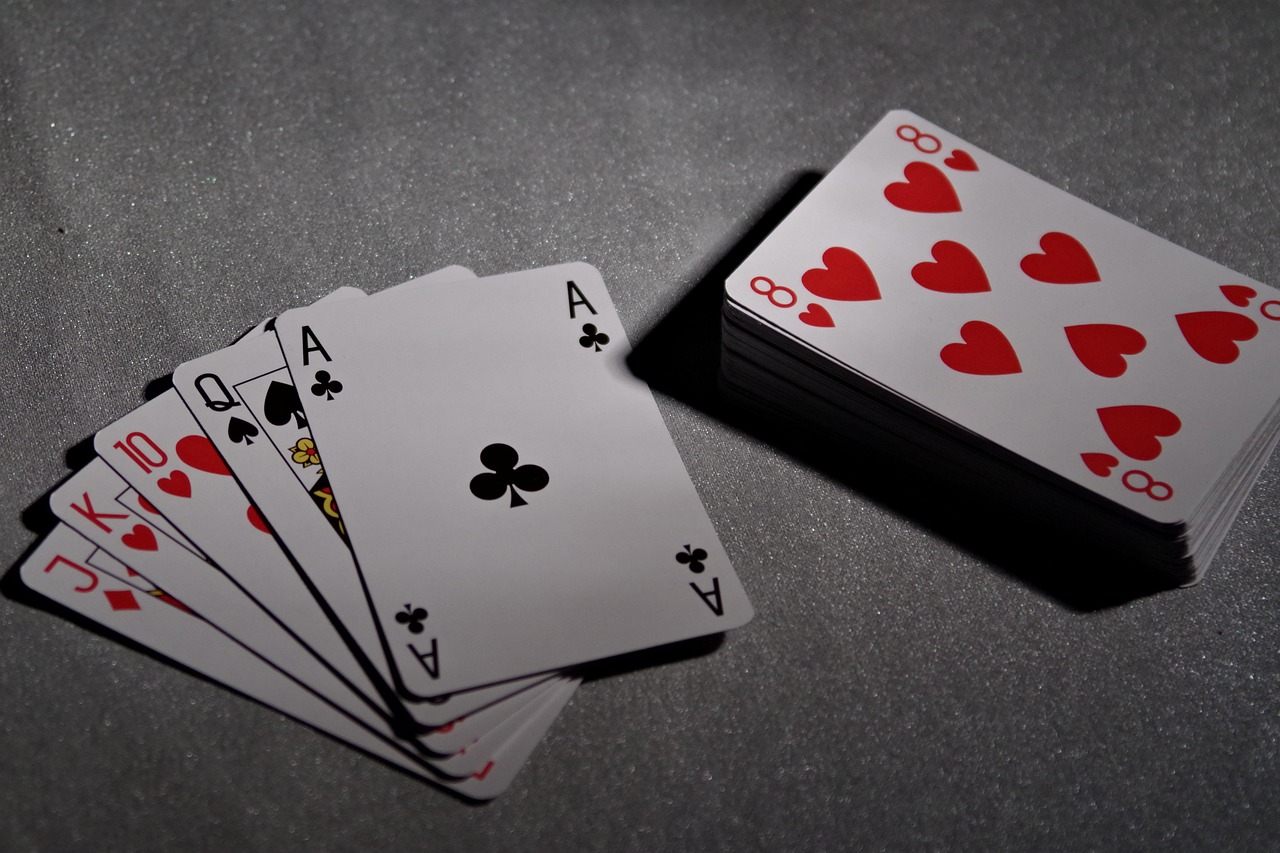
There's a moment every gambler knows. You've been playing the same slot for twenty minutes, watching the reels tumble past the bonus symbols without so much as a three-of-a-kind, and you feel it — the machine is due. Any second now, all that dead spin has to pay off. It's the same feeling that convinces a poker player to call with second pair because the table has been running cold and statistically, he's owed a crack at the pot. And it's the same instinct that drives a bettor to triple his stake on a soccer team that's lost five straight because, well, they're supposed to win eventually.
The hot streak feels like intuition. It's actually a math error dressed up in adrenaline. If you're serious about getting better at iGaming — whether you play slots, bet on sports, or grind poker tables — the single most valuable thing you can do is understand why that feeling lies to you, and then figure out what actually does move the needle. Because something does. It's just not the thing most players believe in.
The House Edge Is Not a Suggestion
Every game in a casino, physical or online, is built around a mathematical advantage for the operator. That's not cynicism, it's the business model. What varies wildly is how big that edge is, and this is where players who pay attention separate themselves from players who don't.
Compare the common games. Blackjack played with basic strategy sits around a 0.5% house edge under good rules. Baccarat, betting the banker, comes in near 1.06%. European roulette is about 2.7%, while American roulette doubles that to 5.26% purely because of the extra double-zero pocket. Slot machines are a different beast entirely — their return-to-player (RTP) percentages typically range from 92% to 97%, but that number is calculated over millions of spins, not your session.
Here's the part people miss: an RTP of 96% does not mean you'll lose 4% per hour. It means that over an enormous sample size, the machine returns 96 cents for every dollar wagered. Within any given evening, variance can swing you 40% up or down. If you sit at a slot with a 96% RTP and $500 bankroll, the expected loss per $100 wagered is $4 — but you might wager $2,000 chasing a bonus and find the math has quietly eaten $80, not because the machine was cold, but because you gave it enough spins for the edge to do its work.
Why the Hot Streak Myth Survives Anyway
If the math is that clear, why does nearly every player fall for it? Two reasons: randomness is genuinely hard to intuit, and games are designed to exploit that weakness.
- The gambler's fallacy: Red came up nine times, so black is "due." In reality, the wheel has no memory. Each spin is independent, and past results don't influence the next one by even 0.01%.
- Confirmation bias: You remember the one time you switched machines on a hunch and hit the jackpot. You forget the dozens of times the hunch was wrong.
- Near-misses and audio design: Slot developers engineer near-miss outcomes — two jackpot symbols with the third landing just above or below the payline — because brain-imaging studies show these activate the same reward circuitry as actual wins. The sounds and animations are not neutral; they're tuned for engagement.
None of this makes the games unfair. It makes them effective. Recognizing the mechanics puts you in a much better position to enjoy them without pretending you can outsmart them. สล็อต is a solid starting point for anyone new to this.
What Actually Improves Your Odds
You can't beat the house edge in the long run. But you can absolutely improve your experience within it, and in poker, you can genuinely win money against other players. Here's where effort pays off.
Choose games with lower edges
Switching from American to European roulette cuts the house edge roughly in half for no extra effort. Playing blackjack with basic strategy instead of guessing reduces your edge dramatically. And with slots, reading the RTP and volatility before you spin matters more than any superstition. A low-volatility slot at 97% RTP is a fundamentally different proposition from a high-volatility slot at 92%, even though both feel the same on the surface.
Understand volatility
Volatility describes how the payouts are distributed. Low-volatility games pay small amounts frequently, stretching your bankroll but rarely delivering a big hit. High-volatility games pay rarely but can deliver enormous multipliers. Neither is better — but pairing volatility with your bankroll size and risk appetite is the actual skill. A player with a $50 bankroll has no business chasing jackpot-only slots.
Treat betting like investing, not instinct
Sports bettors who last do a few unglamorous things: they shop for the best odds across multiple books, they specialize in a narrow set of leagues they genuinely understand, they track every bet in a spreadsheet, and they size their stakes as a percentage of bankroll rather than a gut feeling. Line shopping alone can add 2% to 4% to your long-run return — a massive edge over someone who always takes the first price they see.
And in poker, the advice is blunt: study hand ranges, review your sessions, and put in volume at stakes you can afford. The money comes from opponents' mistakes, not from the deck rewarding you for patience.
Bankroll Management Is the Real Skill
Ask a hundred losing players what their biggest mistake was, and very few will say "bad luck." Most will eventually admit they played above their means, chased losses, or never set stopping points. The players who last have a dull but effective system:
- Set a hard bankroll funded by disposable income — never rent or bill money.
- Divide it into session limits and never exceed them, regardless of outcome.
- Set a win target too. Walking away up is a skill.
- Take breaks. Tilt is real and it costs more than any house edge.
This isn't about being timid. It's about staying in the game long enough for variance to even out and for your genuine edges — poker reads, market knowledge, RTP selection — to actually matter.
The Bottom Line
The most satisfied iGaming players I know aren't the ones who win the most. They're the ones who stopped fighting the math. They play games they've researched, they know exactly what they're paying for entertainment, and they walk away without regret because their expectations match reality. The hot streak is a story we tell ourselves to feel like we have control over randomness. You don't need fiction. You need a clear understanding of return-to-player, a bankroll you can walk away from, and the discipline to treat gambling like the entertainment product it actually is. Get those three things right, and you'll enjoy every spin, hand, and bet a lot more than the guy next to you staring at a slot convinced it owes him one.